











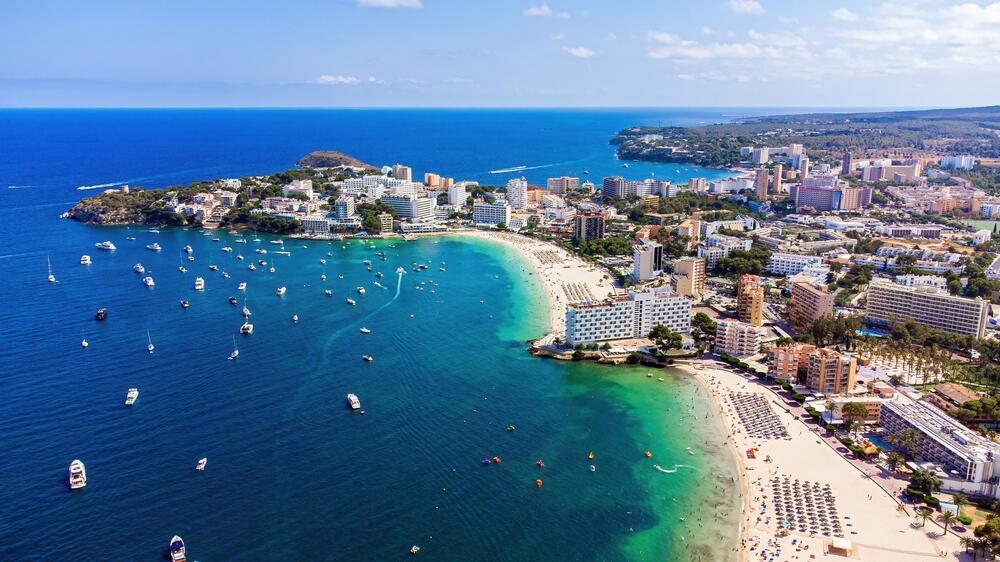
While Ljubljana is known for its picturesque Old Town, bridges and green spaces, Calvià is a more surprising choice. The area includes some of Mallorca’s most popular resorts, including Magaluf, which has long had a reputation as a hotspot for wild parties. So what led to the selection of these two destinations, and what can tourists expect when they visit?
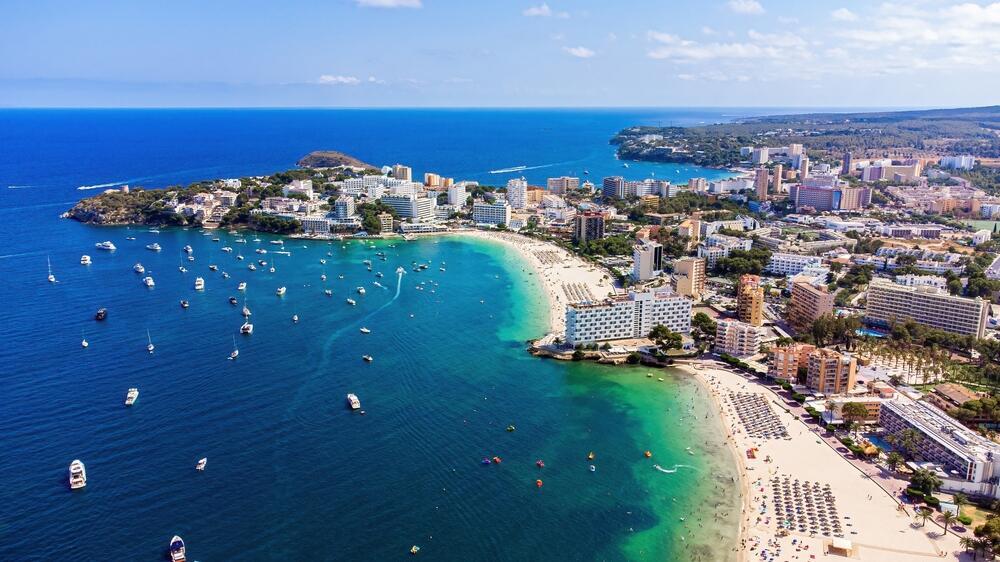
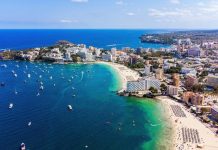
Son Matias Beach in Magaluf, part of Calvià, Mallorca. The resort area is seeking to transform its image and has won a prestigious European title
(Photo: Alexandre.ROSA / shutterstock)
A total of 83 destinations from 24 countries entered this year’s competition, organized by the European Commission. Of those, 16 reached the finals, with representatives presenting their achievements and plans to a panel of judges in Brussels on November 18 and 19. The winners were announced Friday, November 20, following evaluations based on criteria including sustainability, accessibility, digital innovation and culture.
Despite its prestigious name, the competition does not rank Europe’s most beautiful or popular destinations. Its purpose is to encourage the development of smart, sustainable tourism that also takes the needs of local residents into account. The 2027 competition is the first under a new format that combines two previous European initiatives — the European Capital of Smart Tourism and the European Green Pioneer of Smart Tourism — under the unified title European Capitals of Tourism.”
The two winners were selected in separate categories: cities with more than 100,000 residents and destinations with populations between 25,000 and 100,000.
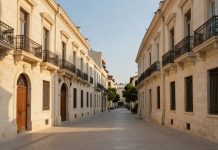
Ljubljana, Slovenia’s capital, is relatively small compared with other European capitals, combining impressive architecture, picturesque streets, riverside cafes and green spaces. Many of its main attractions are within walking distance of one another.
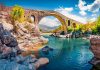
The Ljubljanica River flows through the heart of the city, with restaurants, shops and cafes lining its banks. One of Ljubljana’s best-known landmarks is the Triple Bridge, a group of three adjacent bridges connecting Prešeren Square to the Old Town. Also within walking distance are the Dragon Bridge, the Central Market and Ljubljana Castle, which towers over the city and offers spectacular views of its red rooftops and the surrounding mountains.
Visitors seeking a break in nature without straying far from the city center can head to Tivoli Park, the city’s largest park, which features lawns, walking trails and wooded areas. Ljubljana is also a convenient starting point for exploring the rest of Slovenia, including the famous Lake Bled, caves and nature reserves.
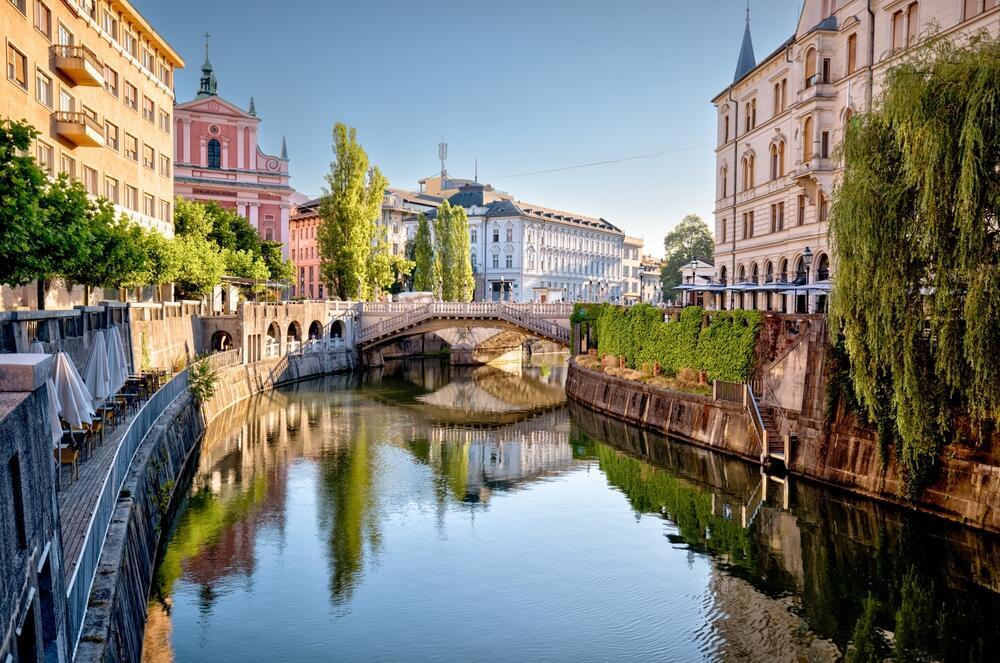
The Ljubljanica River winds through Ljubljana’s historic center
(Photo: Todamo / shutterstock)
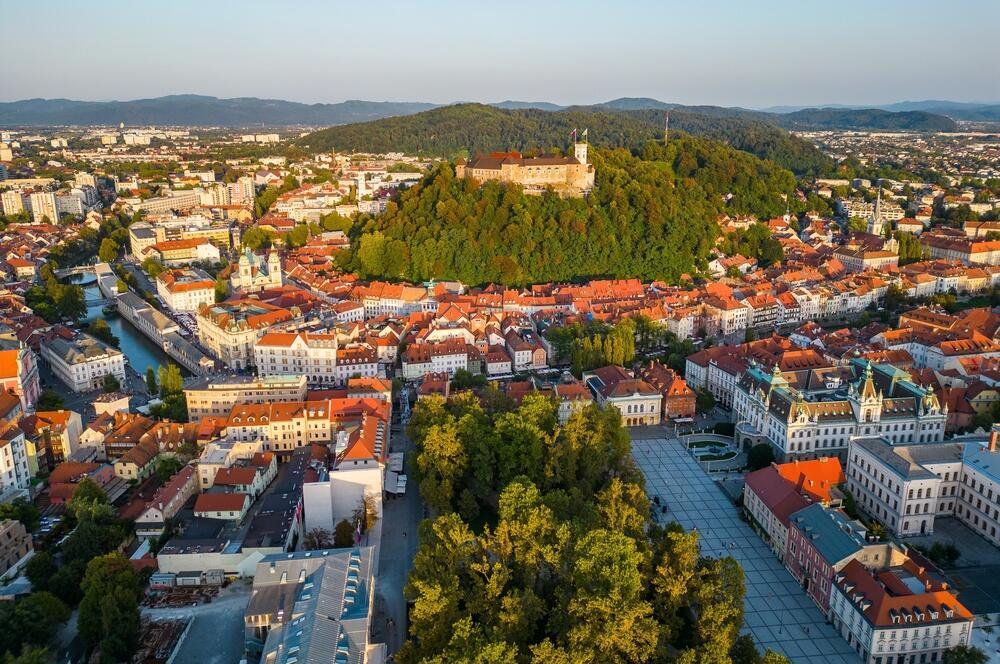
Aerial view of Ljubljana’s Old Town
(Photo: Vunav / shutterstock)
But Ljubljana did not win the European title for its beauty alone. The judges were impressed by the city’s ability to balance tourism development with residents’ quality of life, as well as its achievements in accessibility, sustainability and innovation. Particularly noteworthy were initiatives to manage visitor numbers and encourage tourism outside the peak season.
One of the city’s key initiatives is a digital system called Ljubljana Flows, which monitors and analyzes data on tourist movements in and around the city. Since spring 2026, the system has also incorporated an artificial intelligence-based forecasting model designed to help authorities prepare for crowding and encourage visitors to explore other parts of the city.
Ljubljana is also investing in cultural events during the quieter months of the year. The LUV Festival, for example, held from February 8 to March 12, offers performances, exhibitions and activities throughout the city. The 2026 edition featured more than 230 events, intended in part to attract visitors during a period when tourist numbers are relatively low.
The second winner, Calvià, may be the less familiar name of the two, but there is a good chance you have heard of some of the resorts within its boundaries. The municipality, located in southwestern Mallorca, includes Magaluf, Palmanova, Santa Ponça and Peguera.
The area offers everything travelers might expect from a Mediterranean summer vacation: sandy beaches, turquoise coves, waterfront promenades, restaurants and resort hotels. Beyond the crowded beaches of Magaluf and Palmanova, visitors can also discover quieter coves, hiking trails and mountain scenery.
Despite its beautiful beaches, however, parts of the area have struggled with a troubled reputation for years. Magaluf, in particular, has become one of Europe’s best-known party destinations, notorious for its wild nightlife, excessive drinking and incidents of unruly behavior. Over the years, authorities in the Balearic Islands have imposed restrictions on alcohol consumption in certain areas in an effort to curb the problem.
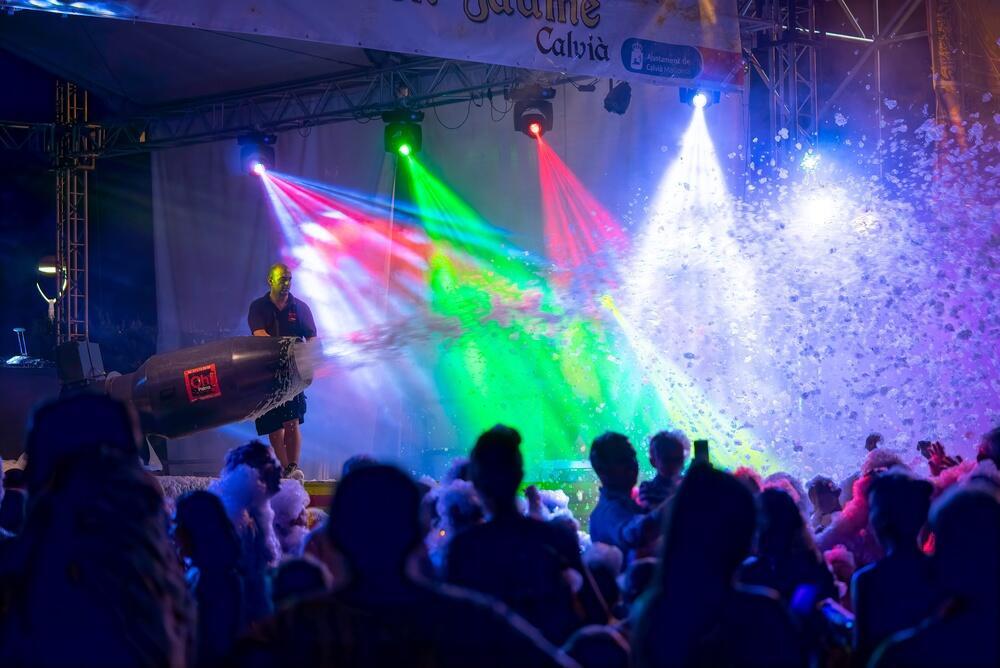
A foam party and outdoor performance in Santa Ponça, Calvià, Mallorca
(Photo: Roque Ramajo Polo / shutterstock)
In recent years, authorities in Calvià have sought to change that image and attract families, nature lovers and travelers looking for a more relaxing vacation. The goal is to reduce the area’s dependence on mass tourism during the summer months and promote tourism year-round.
In September, the municipality unveiled a strategic plan for 2026-2030 outlining 48 measures to develop tourism in the area. The plan includes promoting sports tourism, family activities and cultural events, improving accessibility and expanding tourism focused on nature and local heritage.
One of the most notable initiatives has already taken place in Magaluf itself. Between August 20 and October 31, the municipality organized 53 free cultural and recreational activities, including outdoor movie screenings, concerts, children’s workshops, yoga classes and dance performances. The events were held along Magaluf’s renovated promenade, where more than 900 meters (roughly 3,000 feet) of waterfront were upgraded as part of a redevelopment project.
Environmental protection is also a central part of the plan. The municipality is working to revitalize older tourist areas, improve public spaces and protect the coastline.
One particularly interesting initiative focuses on Mediterranean tapeweed (Posidonia oceanica), a species of seagrass whose dead leaves accumulate on beaches. Before the summer season, the plant debris is collected and stored, then returned to the beaches after the tourist season to help protect the shoreline from erosion during the winter months.
The European judges were particularly impressed by efforts to transform the area’s tourism model in a way that benefits the local economy without harming the environment or residents’ quality of life. However, the transformation is still underway and far from complete.
What do the winners receive? Throughout 2027, Ljubljana and Calvià will receive international promotional support from the European Commission, helping raise their profiles as tourist destinations. Each will also receive a special sculpture commemorating the award and join a network of European destinations that share knowledge and expertise in tourism development.