






Matt Wright’s tourism business is heading for a short trial early next year. A big part of the insurance question is whether the crash happened on “marine” waters at all
Matt Wright’s insurance problems have returned to the Federal Court. On Thursday, counsel for Allianz Australia told Justice Michael Lee that two questions would help decide whether the Outback Wrangler star and his tourism company can rely on their policy after a 2023 airboat crash. The first is whether the crash happened somewhere the Marine Insurance Act 1909 applies. The second is whether the policy’s illegality exclusions were triggered.
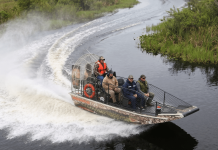
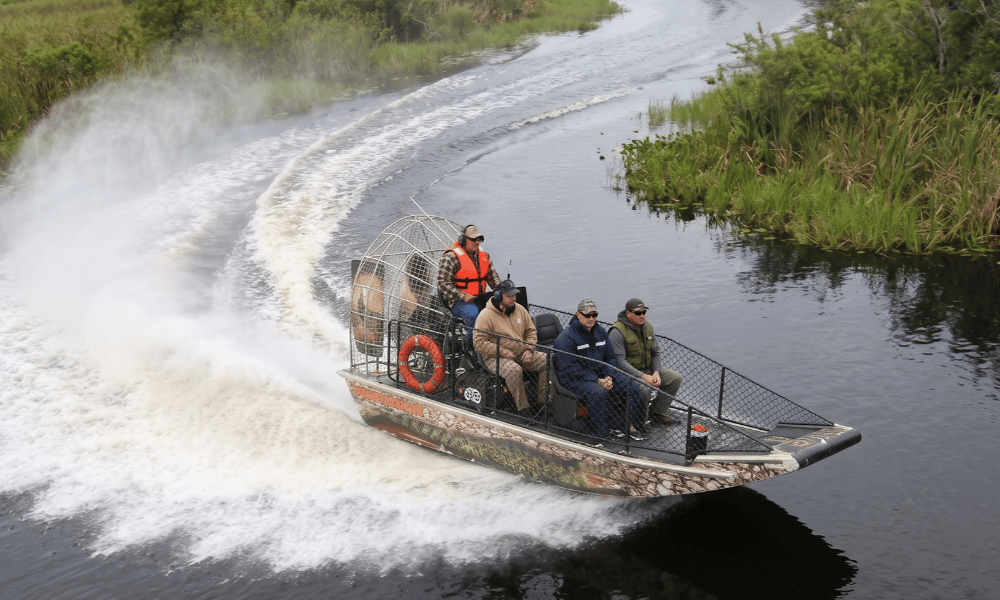
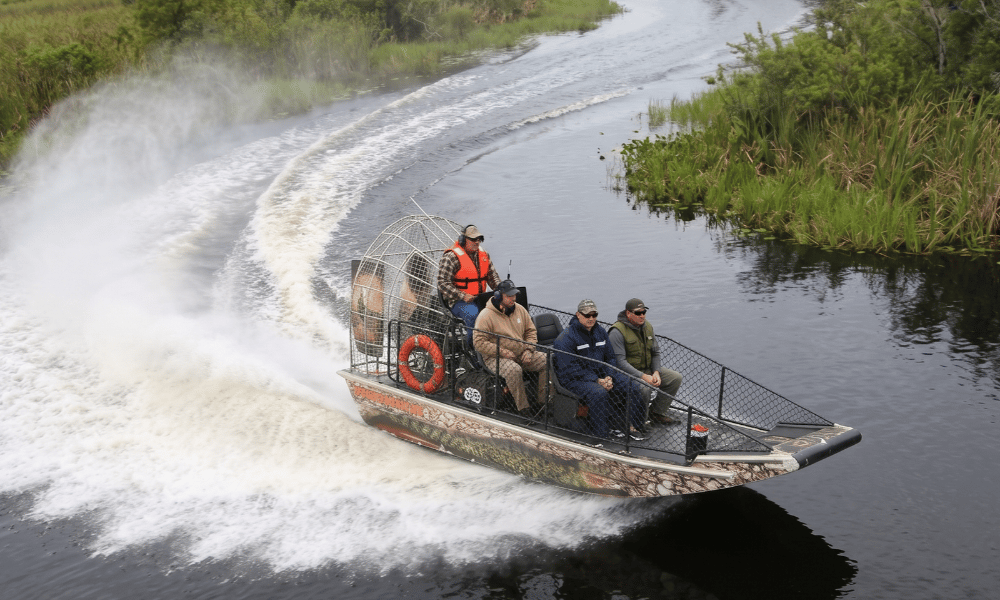
The airboat, Gale Force, crashed on 10 May 2023 at Sweets Lagoon. The lagoon is in the Bynoe region, roughly 120km south-west of Darwin, close to Top End Safari Camp, which Wright runs with his wife, Kaia. It is alleged the boat hit a tree on the bank at speed and threw its passengers forward. One woman suffered serious head injuries and another a serious leg injury.
Two families are suing Wright, his wife and Top End Safari Camp in the Federal Court, together with their children: Ryan and Philippa Payne from NSW, and Scott and Bianca McFarlane from Queensland. They allege negligence and unconscionable conduct under consumer law. On top of compensation, they are seeking aggravated and exemplary damages. A third couple, Amelia-Kate and Gregory Potts, have a separate claim in the Northern Territory Supreme Court and may join the federal case. The Wrights deny that they, their businesses or their staff were negligent.
Read next: Netflix croc wrangler asked friends to torch evidence court told in HDI/Unity linked case
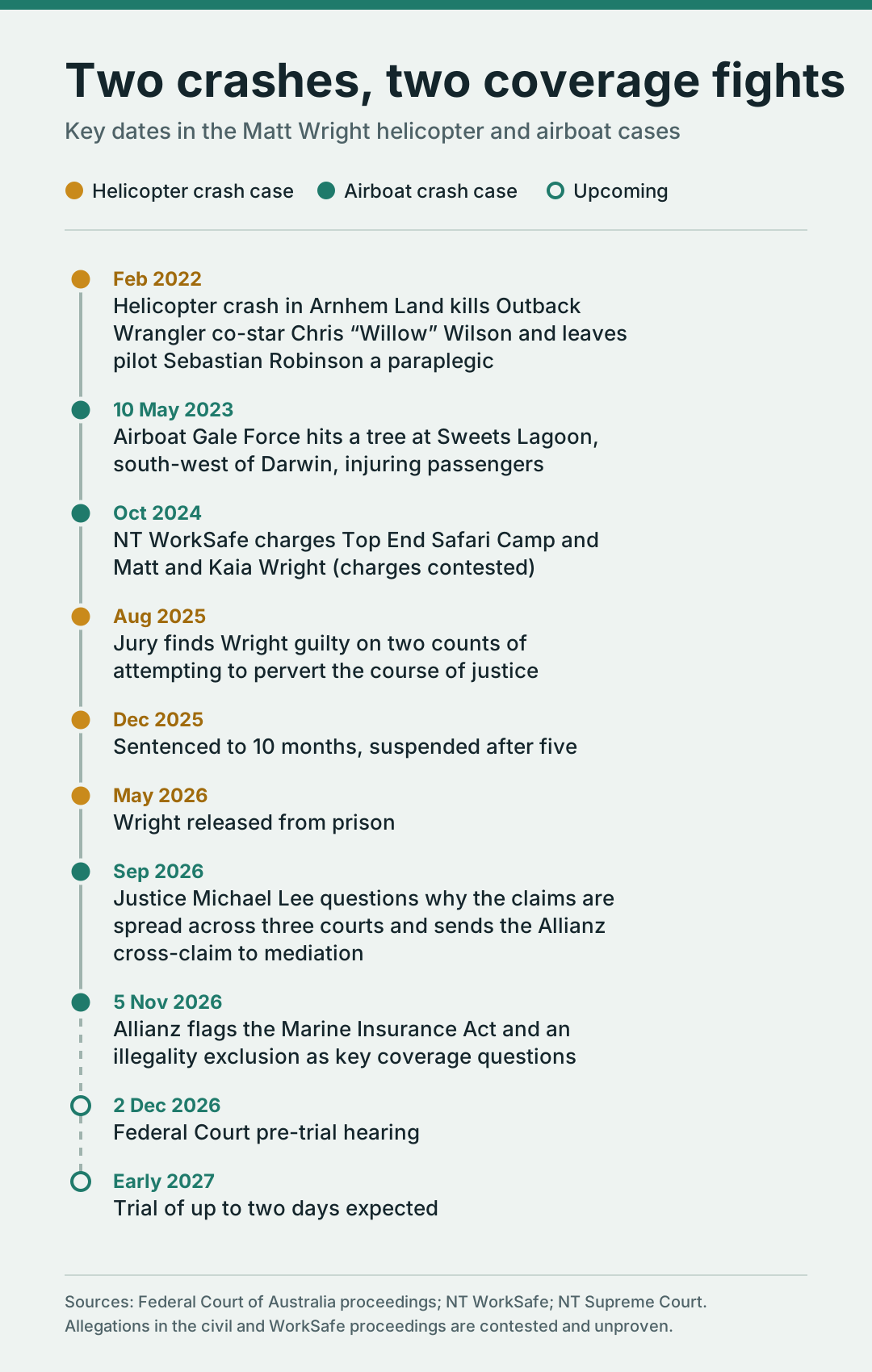
Justice Lee wants all the claims brought together as one case. He has suggested a trial of no more than two days early in 2027, and set a pre-trial hearing for 2 December. This is the second time in two months he has pushed the parties this way. In September he asked why litigation over a single crash was running in three different courts.
Is a lagoon the sea?
Matthew Harvey KC, for Allianz, said the court would need to decide whether the incident happened in a place where the Marine Insurance Act applied. For brokers who place marine and adventure tourism risks, this is the most important part of the case.
Commercial hull and marine liability policies are generally governed by the Marine Insurance Act rather than the Insurance Contracts Act 1984. Section 9A brings pleasure craft back under the Insurance Contracts Act, as the Full Federal Court noted in its 2016 Pantaenius decision. A commercial tour boat taking paying customers into croc country would be hard to describe as a pleasure craft.
Which Act governs the policy decides how much protection the insured has:
|
Insurance Contracts Act 1984
|
Marine Insurance Act 1909
|
|
|
Covers
|
Most general insurance, including pleasure craft (s9A)
|
Contracts of marine insurance, including commercial vessels
|
|
Insured’s breach after the policy starts
|
Section 54 generally stops the insurer refusing a claim unless the breach caused or contributed to the loss
|
Warranties are applied strictly, and a breach can discharge the insurer whether or not it caused the loss
|
|
Practical effect for the insured
|
More room to keep cover despite a technical breach
|
Much less room
|
Courts have had trouble before deciding where marine insurance stops. In Gibbs v Mercantile Mutual, a parasailing operator’s customer was badly injured on Perth’s Swan River. The High Court split 3:2 on whether the operator’s liability policy was marine insurance. The majority found that it was, and the operator lost its indemnity. A lagoon far up the Top End’s river country raises the same kind of question.
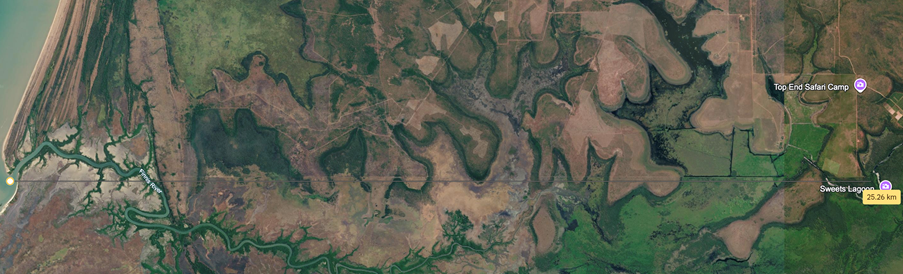 Image: Google Earth
Read next: Survey flags gaps in adventure travel cover
Allianz’s defence, reported in September, made two main arguments. First, it alleged that the Australian Maritime Safety Authority had certified Gale Force to carry 13 people (one crew and 12 passengers) but that there were 14 on board when it crashed. It said this breached a licensing and registration warranty and triggered the policy’s exclusion for illegal operation. Second, it argued that Matt and Kaia Wright were not personally named as insureds on the company’s commercial hull policy.
On Thursday Harvey said the court would also have to decide liability, because the parties could not agree on it before trial. His reason was the effect an admission would have on the insured: under the policy, if the insured accepted liability, Allianz could choose not to respond. Anyone who handles liability claims knows this condition. In this case it means the Wrights cannot concede a point that might otherwise have shortened the case.
Justice Lee said he would have to make findings of fact on whether an offence had been committed before he could rule on the exclusion.
The crash is also the subject of a criminal case. In October 2024, NT WorkSafe charged Top End Safari Camp with four breaches of the Territory’s work health and safety laws, and each of the Wrights with three. The regulator says eight passengers were injured. The company faces maximum combined penalties of A$4 million, and each director faces up to A$700,000. The charges are contested.
Read next: Public liability withdrawal leaving tourism operators vulnerable
Second crash, second coverage dispute
This is Wright’s second dispute with an insurer over a crash. In February 2022, a helicopter crash in Arnhem Land killed Outback Wrangler co-star Chris “Willow” Wilson and left pilot Sebastian Robinson a paraplegic. After his claim was declined, Wright cross-claimed against HDI Global Specialty and broker Unity Insurance Brokers.
In August 2025, a jury found Wright guilty on two counts of attempting to pervert the course of justice over the investigation into the helicopter crash. He was released in May this year after serving five months of a ten-month sentence. Prosecutors never alleged that he caused the crash, Wilson’s death or Robinson’s injuries.
Why brokers should care
The case lands while the market for adventure tourism cover is already under strain. Griffith University research co-funded by Austrade identified adventure operators as one of the parts of the visitor economy hit hardest by rising public liability costs.
For brokers with river, estuary and coastal operators on their books, this case shows how much can turn on details that are easy to wave through at renewal:
- Which Act governs the policy?
- Is the operating area clearly within the policy wording?
- Does the passenger limit on the survey certificate still match how the business runs on a busy day?
- Are the people who actually run the operation named alongside the company?
The Australian Law Reform Commission recommended changes to the Marine Insurance Act a quarter of a century ago, and its strict regime still applies.
The matter returns before Justice Lee on 2 December.
This article reports on ongoing civil and criminal proceedings. The allegations against Top End Safari Camp, Matt Wright and Kaia Wright are contested and have not been proven. Images courtesy of Google Earth.