Expedition cruising has evolved and is no longer defined solely by remote polar voyages and wildlife sightings.
The 2026 Expedition Cruise Network (ECN) Conference acknowledged that the sector is increasingly being recognised as a form of transformative travel that combines adventure, education, science and responsible tourism.
Expedition operators, travel agents, scientists and industry leaders gathered to discuss the sector’s future of the sector in London.
Consumer demand appears stronger than ever. Research presented by Wanderlust magazine found that 70% of expedition cruisers said their voyage exceeded expectations, while between 98% and 99% said their experience met or surpassed what they had hoped for, achieving an average satisfaction score of 9.2 out of 10.
Akvile Marozaite, CEO and Co-founder of the Expedition Cruise Network, said: “We take guests into fragile ecosystems, encounter amazing wildlife and visit remote communities, all of which creates proper opportunities for learning and connection, but it also brings responsibilities that we need to take seriously, and I hope that ECN’s new Responsible Expedition Framework will help more people to articulate and understand the work that is being done, and help to shape a pathway for continued progress.”
Industry leaders identified 11 trends likely to shape expedition cruising in 2027:
1. Guests become citizen scientists
One of the most significant developments in expedition travel is the growing role guests play in genuine scientific research. Increasingly, passengers are no longer just observers but active participants in data collection projects that contribute directly to scientific understanding.
Delegates heard how guests travelling with Polar Latitudes have helped identify more than 10,000 individual whales through photographs uploaded to the Happywhale database.
The resulting research has informed whale-protection measures in regions including South Georgia, the South Shetland Islands and the Antarctic Peninsula, helping reduce collisions between vessels and marine mammals.
Passengers are also contributing to long-term studies of Southern Ocean phytoplankton, microscopic organisms responsible for producing around half of the world’s oxygen. Meanwhile, expedition ships themselves are evolving into floating research platforms.
HX’s MS Fridtjof Nansen sends hundreds of daily data points relating to ocean health, including measurements connected to phytoplankton, microplastics and carbon saturation, with ambitions to expand the programme across its fleet.
For many operators, meaningful scientific contribution is becoming just as valuable as sightseeing.
2. Learning is a hidden star attraction
Education may not be the primary reason travellers book expedition voyages, but it is increasingly becoming the aspect they value most.
Research presented at the conference found that only 35% of expedition travellers cited expert lectures as a booking motivation. However, once on board, educational experiences ranked among the most appreciated elements of the trip.
Unlike conventional cruises, expedition voyages immerse travellers in environments where scientists, historians, naturalists and expedition leaders help explain not only what guests are seeing but why it matters. Whether exploring Arctic ice sheets, monitoring wildlife populations or learning about indigenous cultures, passengers are encouraged to develop a deeper understanding of destinations.
Industry leaders argued that these educational experiences create lasting impacts, transforming guests into informed ambassadors for conservation and responsible travel. The emphasis is increasingly on connecting travellers to wider environmental and social issues rather than simply delivering memorable photographs.
3. Responsibility replaces sustainability rhetoric
The language surrounding sustainability is changing within the expedition sector.
Speakers at the conference acknowledged a difficult reality: no vessel burning fossil fuels can currently claim to be truly sustainable. Rather than relying on potentially misleading marketing language, operators are increasingly focusing on responsibility, transparency and measurable improvement.
A key development was the launch of the ECN Responsible Expedition Framework. Designed as an assessment and benchmarking tool, it evaluates operators across six key areas, including environmental stewardship, biosecurity, community partnerships and guest education.
Participating operators are then placed within five categories ranging from Emerging to Contributing. The framework aligns with both Global Sustainable Tourism Council criteria and the United Nations Sustainable Development Goals.
The initiative reflects a growing desire within the industry to move beyond broad sustainability claims and provide consumers with clearer information about responsible operating practices.
4. The Arctic is the next big opportunity

Antarctica may remain the flagship destination for expedition cruising, but the Arctic is rapidly gaining ground.
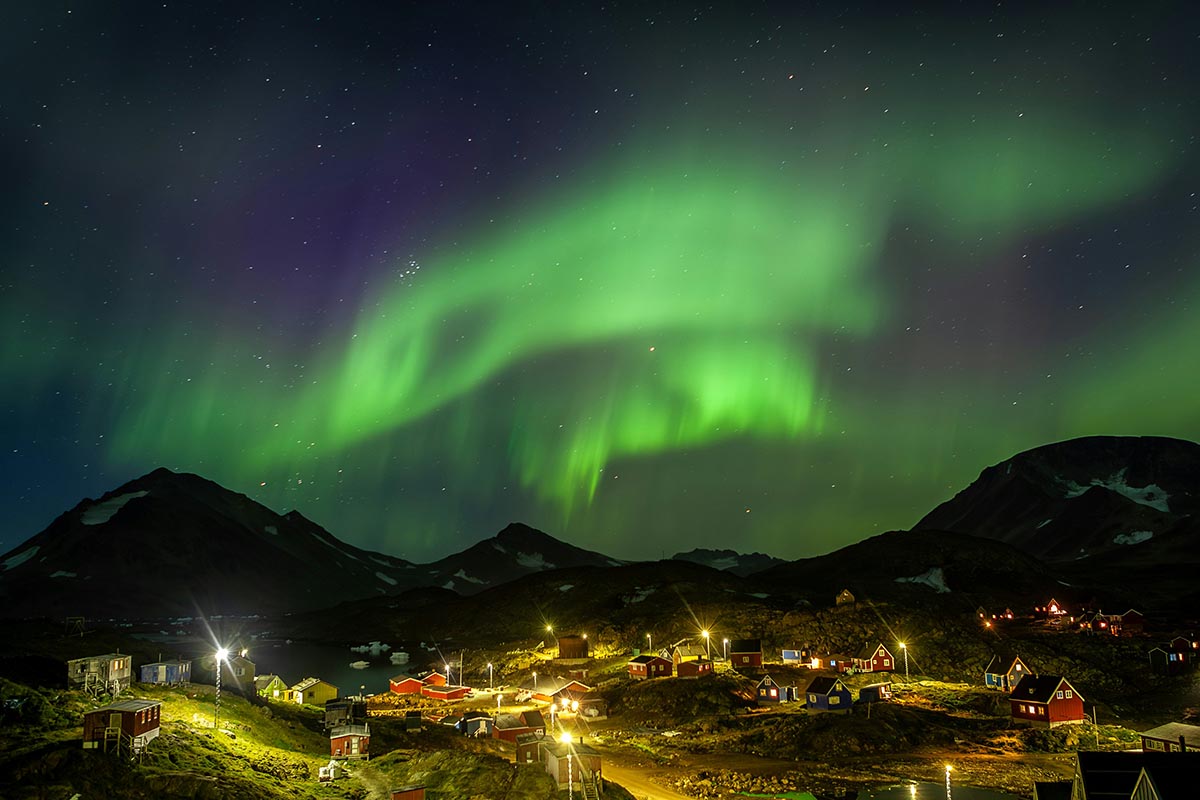
Industry experts identified the region as one of the most significant growth opportunities, particularly for the UK market. Greenland featured prominently in discussions, helped by substantial improvements in accessibility.
The 2026 opening of Ilulissat International Airport on October 29 follows recent airport developments in both Nuuk and Qaqortoq, improving visitor access to the world’s largest island.
For British travellers, the Arctic offers several practical advantages over Antarctica, including shorter flights, reduced travel times and potentially lower overall holiday costs.
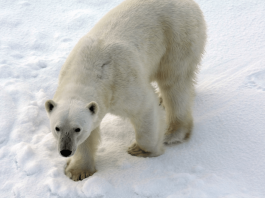
At the same time, the region offers remarkable diversity, from polar bear encounters in Svalbard to Inuit cultural experiences in Greenland and exploration of the Canadian Arctic and Northwest Passage.
Rather than viewing the Arctic as a single destination, operators increasingly encourage travellers to think about it as a collection of distinct regions, each with its own appeal.
5. Shorter voyages will broaden the market
Length has traditionally been one of the biggest barriers preventing travellers from booking expedition cruises. Many prospective guests struggle to commit the time required for classic two- or three-week itineraries.
In response, operators are introducing more seven- and eight-night programmes aimed at first-time expedition travellers and time-conscious professionals.
HX has already announced shorter itineraries in Greenland and Southeast Alaska, alongside plans for a dedicated Scandinavian programme beginning in 2028 and 2029.
Industry leaders believe shorter itineraries will attract younger demographics while making expedition experiences more attainable and less intimidating. Importantly, operators insist these shorter voyages can still deliver meaningful adventure experiences without compromising on destination immersion.
The trend also supports the wider move towards combining expedition voyages with broader multi-destination holidays.
6. Warm-water expeditions come of age
Expedition travel is increasingly shedding its reputation as a polar-only product.
While Antarctica and the Arctic remain central to the sector, rising interest in warm-water destinations is reshaping itineraries. Delegates highlighted growing demand for regions including the Amazon, Indonesia, Japan, Fiji, French Polynesia, West Africa and Australia’s Kimberley Coast.
The South Pacific has entered the list of most-desired future expedition destinations among experienced expedition travellers, while operators are expanding programmes throughout Asia-Pacific and Africa. These itineraries often combine cultural discovery, history and wildlife rather than focusing exclusively on natural environments.
For operators, warm-water programmes also provide valuable opportunities during periods when polar destinations are inaccessible, helping extend operational seasons and diversify customer appeal.
7. Families and solo travellers drive growth
Demographic shifts are becoming increasingly visible across the expedition sector.
Although expedition cruising has historically attracted affluent travellers aged 55 and older, operators report significant growth among younger guests, friendship groups, solo travellers and families.
According to the Wanderlust research, 30% of expedition cruisers have travelled alone, while operators are introducing more products specifically targeting solo guests.
At the same time, family participation is increasing. One recent National Geographic Lindblad Expeditions sailing in the Galápagos hosted 14 children under the age of 11 among its 48 guests. Expedition operators are increasingly developing family-focused educational programmes designed to engage younger audiences.
The result is a more diverse customer base and a broader market than many observers previously associated with expedition travel.
8. The industry wants to be known for expeditions

Many operators are actively distancing themselves from the word ‘cruise’.
Conference speakers suggested that the term often creates inaccurate assumptions about the experience being sold. Rather than emphasising onboard facilities and entertainment, expedition companies position their vessels as tools that facilitate exploration. The destination, they argue, remains the real attraction.
Research indicates there is still widespread confusion about the distinction between expedition and mainstream cruising. Only around one-quarter of Wanderlust readers feel confident they understand the difference, while a significant proportion remain uncertain about what expedition travel actually involves.
As a result, many brands are increasingly aligning themselves with the broader adventure travel sector, targeting consumers who might previously have chosen safaris, trekking holidays or kayaking expeditions.
9. Artificial Intelligence (AI) changes the customer journey
AI is reshaping how expedition holidays are discovered, booked and tailored.
Conference delegates reported that potential customers are increasingly using AI tools to research destinations and compare expedition options before contacting operators or travel advisors. Meanwhile, technology providers are developing solutions to streamline what is often a highly complex booking process.
AI offers opportunities to automate many administrative tasks while delivering greater personalisation for travellers.
Rather than replacing travel experts, speakers suggested AI is likely to free advisors to focus more on consultation, customer relationships and specialised advice.
10. Guests can choose connectivity or disconnection
The introduction of high-speed satellite internet is changing expedition travel in unexpected ways.
Reliable onboard connectivity now enables travellers to remain in contact with work and family even when operating in remote regions. For some guests, this removes what was previously a major obstacle to taking longer voyages.
An equally strong counter-trend is emerging. Some operators are deliberately limiting connectivity or encouraging digital disconnection, positioning the absence of internet access as part of the appeal. For these travellers, expedition cruising offers a rare opportunity to disconnect from daily pressures and focus entirely on the destination.
The future is likely to accommodate both preferences, with operators offering different levels of connectivity depending on the experience they wish to create.
11. Expeditions become part of larger journeys
Perhaps the most significant commercial development is the growing tendency for travellers to integrate expedition cruises into longer and more personalised itineraries.
Rather than viewing an expedition as a standalone holiday, guests are increasingly combining voyages with land-based adventures.
Examples cited at the conference included pairing Patagonian fjord cruises with stays in the Atacama Desert, combining Amazon expeditions with visits to Machu Picchu and the Galápagos, or adding rail journeys before Kimberley expeditions in Australia.
Shorter itineraries are helping drive this trend by making it easier to create bespoke travel programmes. Technology providers predict that expedition cruising will become increasingly integrated with wider adventure travel experiences, creating more flexible and modular holiday options for consumers.
The themes emerging from the ECN Conference suggest expedition cruising is entering a new phase of maturity. Once viewed primarily as a specialist polar niche, the sector is broadening geographically, attracting a wider demographic and placing greater emphasis on science, education and responsibility.
Improving accessibility, advances in technology and growing consumer interest in meaningful travel experiences are bringing expedition cruising to a larger audience.
For 2027, travellers appear to have more expedition options than ever before.